
The dried apricot is one of the most nutritionally dense and commercially significant dried fruits in global trade. Turkey — and specifically the Malatya region — accounts for the vast majority of worldwide dried apricot production. At IFS Food, we process and export premium dried apricots that meet the exacting standards of importers, retailers, and food manufacturers across more than 35 countries.
Types of Dried Apricot We Export
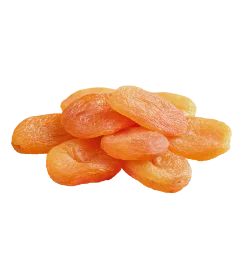
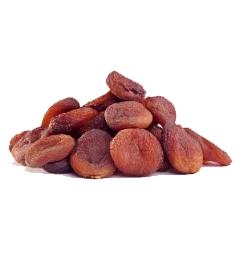
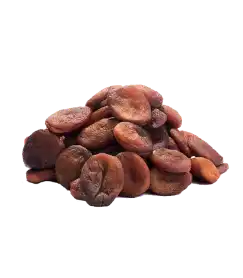
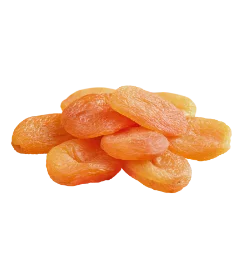
Our dried apricot range covers every commercial category. Sulphured dried apricots retain a bright orange colour and are the most popular variety in European and American retail. Natural (unsulphured) dried apricots offer a deep amber colour and intense flavour favoured by health-food channels. Organic dried apricots comply with EU and USDA regulations. Ready-to-eat soft dried apricots are steam-treated and rehydrated for a tender, snackable texture. Each type is available in multiple size grades — from jumbo (size 1) to industrial (size 5+) — and can be packed to customer specifications.
Nutritional Profile & Health Benefits
Dried apricots are a powerhouse of essential nutrients. A 100-gram serving provides approximately 241 calories, 6.3 grams of dietary fibre, 1162 mg of potassium, 3.4 mg of iron, and significant amounts of vitamins A and E. The high potassium content supports cardiovascular health, while the fibre aids digestive regularity. As a naturally gluten-free, fat-free, and cholesterol-free snack, dried apricots appeal to health-conscious consumers worldwide.
Dietary Fibre
6.3 g per 100 g serving, supporting digestive health and regularity.
Vitamin A
Rich source of beta-carotene, essential for eye health and immune function.
Potassium
1162 mg per 100 g, supporting cardiovascular health and blood pressure regulation.
Iron
3.4 mg per 100 g, contributing to energy metabolism and oxygen transport.
Vitamin E
Powerful antioxidant that protects cells from oxidative stress and supports skin health.
Low Calorie
Only 241 kcal per 100 g — a naturally gluten-free, fat-free, cholesterol-free snack.
Our Dried Apricot Range
Frequently Asked Questions About Dried Apricots
Sulphured dried apricots are treated with sulphur dioxide (SO2) during processing, which preserves their bright orange colour and extends shelf life. Natural (unsulphured) dried apricots undergo no SO2 treatment, resulting in a darker brown colour and a more concentrated, caramel-like flavour. Both types retain similar nutritional profiles.
Dried apricots should be stored in a cool, dry place away from direct sunlight, ideally at temperatures below 15 °C. Vacuum-sealed or nitrogen-flushed packaging significantly extends shelf life. Once opened, reseal the package tightly or transfer to an airtight container. Properly stored dried apricots maintain quality for 12 to 18 months.
Key certifications include BRCGS or IFS Food for food safety management, ISO 22000 for systematic hazard control, HACCP for critical control point validation, and organic certifications (EU/USDA) if sourcing organic products. Halal and Kosher certifications are important for specific market channels. IFS Food holds all of these certifications.
Malatya province in eastern Turkey produces approximately 85% of Turkey's apricot harvest and nearly 65% of the global dried apricot supply. The unique combination of altitude (850–1,200 m), continental climate with hot summers and cold winters, mineral-rich volcanic soil, and the Euphrates River basin irrigation creates ideal growing conditions that give Malatya dried apricots their distinctive sweetness, colour, and superior nutritional profile.
Our minimum order quantity starts at one pallet (approximately 1,000 kg) for standard dried apricot products. For private-label or custom-specification orders, the MOQ is typically one full container load (FCL) of 18–20 metric tons. We offer flexible terms for first-time buyers and can provide samples before committing to a production run. Contact our export team at ifs@ifsfood.com.tr for a detailed quotation.